


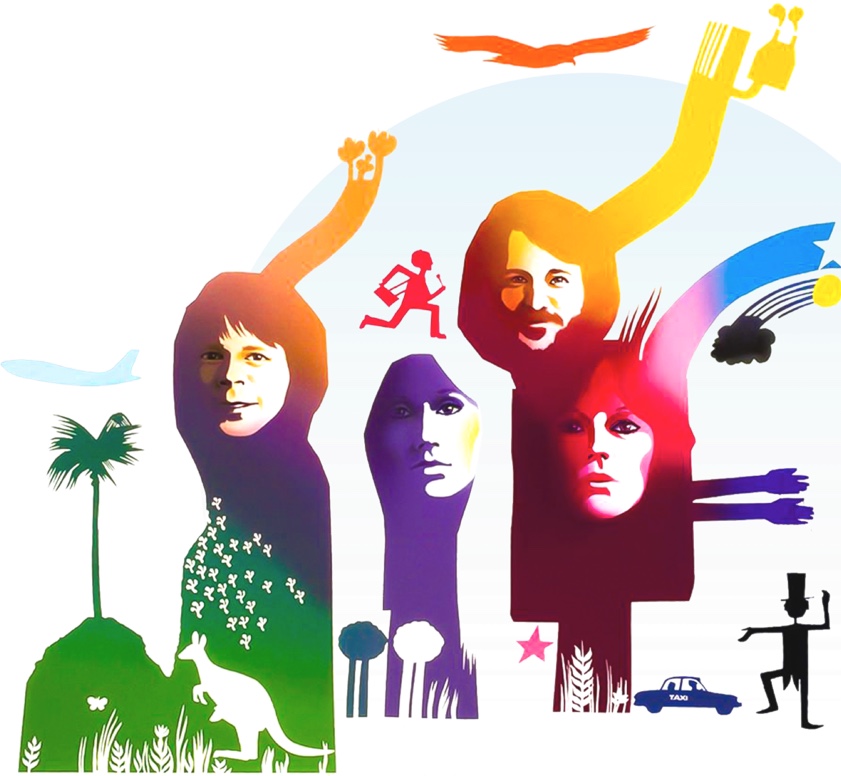
In Focus: The Making Of Super Trouper
Divorce, fascism, split personalities – those were some of the subjects covered on ABBA’s seventh studio album. In this essay we explore the making of Super Trouper, the album that saw ABBA determined to grow up and project themselves as mature thirtysomethings.
Benny and Björn and Barbados
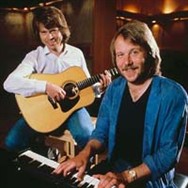 On November 3, 1980, ABBA’s seventh studio album reached record stores in their native Sweden, and subsequently in the rest of the world. It was, perhaps, the least complicated and most straightforward album the group ever made. There was a sense of neatness that surrounded its conception. In January, Björn and Benny went on a highly productive songwriting trip to Barbados, returning with no less than five songs. On February 4 recording sessions started at Polar Music Studios, and by mid-October work was concluded. The only interruption, aside from holidays, consisted of a two-week tour of Japan in March, but that venture was based on the previous autumn’s trek of North America and Europe, and was comparatively easy to see through. The Super Trouper sessions were a marked contrast to the 12-month gestation period for the previous album, Voulez-Vous, where Björn and Benny discarded plenty of songs in various stages of completion, where ABBA’s own recording studio, Polar Music Studios, was opened a few months into the sessions, where Agnetha and Björn decided to end their marriage midway through the production, and where the release date for the album was continually postponed.
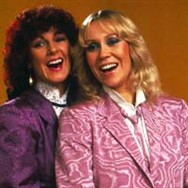 So let’s explore how the Super Trouper album evolved, song by song. The tone of maturity, calm and ease was set with the first of the Barbados-written songs to be recorded: ‘Andante, Andante’, a romantic Frida-led ballad about the consummation of a love affair, told metaphorically through musical instructions. The group then continued with the synthesizer-based ‘Elaine’, ultimately destined to end up as the B-side of ‘The Winner Takes It All’. The third song was ‘The Piper’, in which lyricist Björn delved into a subject matter that had been quite unusual for ABBA up until this time. Inspired by the Stephen King novel The Stand, he wrote a lyric about the rise of a fascist-type leader. “The lyrics deal with the fear that there will come a time when people will want such a leader again,” Björn later explained. Politically related subjects would be even more frequent on ABBA’s last album, The Visitors, where the Cold War would overtly inspire at least two songs.
The story of their lives
 Next up in ABBA’s recording schedule was a song that originally was meant to be a part of a musical. For many years, Benny and Björn had been dreaming of stretching out into the musical world, to not be limited by the parameters of a 10-song album but to create a musical drama with a plot, wherein they could expand their musical palette. On the plane over to Barbados they came up with the idea of writing a musical taking place on a New Year’s Eve. Remembered Benny, “We thought it would be a good framework: a few people in a room, looking back on what has been, thinking about the future, that sort of thing.” In Barbados, they happened to meet up with John Cleese – of Monty Python and Fawlty Towers fame – and suggested that he write the book for the musical. Unfortunately, Cleese wasn’t too keen on that, and what remained of the idea was a song with a New Year’s theme: ‘Happy New Year’. (Note: Read more about this song and other Christmas-related recordings in the “Happy New Year – and Merry Christmas” essay here in the Articles section.)
After completing the backing track for one more song – the rocky ‘On And On And On’ – ABBA left the recording studio for almost two months, rehearsing and then conducting their two-week tour of Japan. Not only did these shows constitute ABBA’s last live concerts on foreign soil, but also in front of a paying audience in “regular” concert halls. The group’s very last live performance happened a year later in a Swedish television studio, as part of the Dick Cavett Meets ABBA television special.
With the return to Polar Music Studios on April 9, the remainder of the month was then spent recording vocals and mixing the five tracks already in the can. After yet another break from the recording studio in May, ABBA then returned on June 2 with three new tunes to be worked on. Many would agree that the very first of these was one of ABBA’s very finest recordings. It took a few attempts to perfect the backing track for the song ‘The Story Of My Life’, but once the flowing feel the song required had been arrived at, and the title changed to ‘The Winner Takes It All’, ABBA had a major hit on their hands. With one of the most personal lyrics Björn ever wrote, partly “inspired” by the break-up of his and Agnetha’s marriage, and then an impassioned lead vocal performance by Agnetha herself, few could fail to be moved by the song. Released as the first single from the album, in July 1980, ‘The Winner Takes It All’ was an immediate success, securing a place in the higher regions of charts all over the world.
Magnificently impassioned
 During the same recording period, Frida also triumphed with her wistful lead performance on ‘Our Last Summer’, again with highly personal lyrics inspired by a teenage romance Björn had experienced in Paris two decades earlier. Alas, this track was never released as a single, but has become more familiar in recent years with its inclusion in the Mamma Mia! musical. Those early June sessions also saw the recording of the country-flavoured ‘Burning My Bridges’, the first song from the Super Trouper era to remain unreleased. However, a snippet was later included in the ‘ABBA Undeleted’ outtakes medley, first released in the 1994 box set Thank You For The Music.
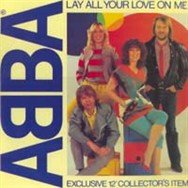
 After a summer break, ABBA were back in the studio on September 8, with three brand new songs up their sleeve. The Frida-led ‘Me And I’ featured yet another set of unusual lyrics, wherein Björn explored the conflict of inhabiting various sides in one’s personality. Meanwhile, Agnetha turned in yet another vocal performance of devastating heartbreak in the electro-disco track, ‘Lay All Your Love On Me’, which received a 12-inch single release in limited territories in 1981.
The third song recorded during these September sessions was destined to remain unreleased for more than a decade. The Mexico-flavoured ‘Put On Your White Sombrero’ featured a magnificently impassioned Frida lead vocal, and stunning harmony vocals from both girls, but for some reason the group felt uneasy about the song and decided not to include it on the album. Fourteen years later it was one of the highlights among the previously unreleased tracks on the Thank You For The Music box set.
Global success
 With the inclusion of a live recording from Wembley Arena, ‘The Way Old Friends Do’, by early October ABBA had nine songs lined up for their new album. It had also been decided that the new collection was to be entitled Super Trouper, named after the big spotlights used during stadium tours. But it was felt that a tenth song was needed, preferably something that could work as a brand new single as well. After a few hectic songwriting days in the recording studio, Björn and Benny had come up with the perfect song – and, by a stroke of luck, the title of ‘Super Trouper’ happened to fit perfectly as well. A new single and title track for the new album, all perfected in one go. Frida was selected as lead singer on ‘Super Trouper’ and the group were rewarded with yet another global single success.
Super Trouper (the album) was also immensely successful; with millions of copies being pre-ordered, it became one of ABBA’s biggest-selling albums ever. With only two discarded songs during the entire writing and recording period, which in itself was neatly rounded off in just a little over nine months, Super Trouper must have been the group’s smoothest album experience. There was a sense of maturity, accomplishment and fulfilment surrounding the album. With the next year’s album, The Visitors, and the aborted final album sessions in 1982, things would be considerably less smooth.


